Blog / Resource · JUL 30, 2026
Brand IP vs. Sponsorship: What Regional Brands Need to Know
Key Takeaways
- +Sponsorship rents attention; brand IP owns the format
- +Regional markets reward cultural depth over one-off logos
- +Many brands start with sponsorship, then graduate to IP
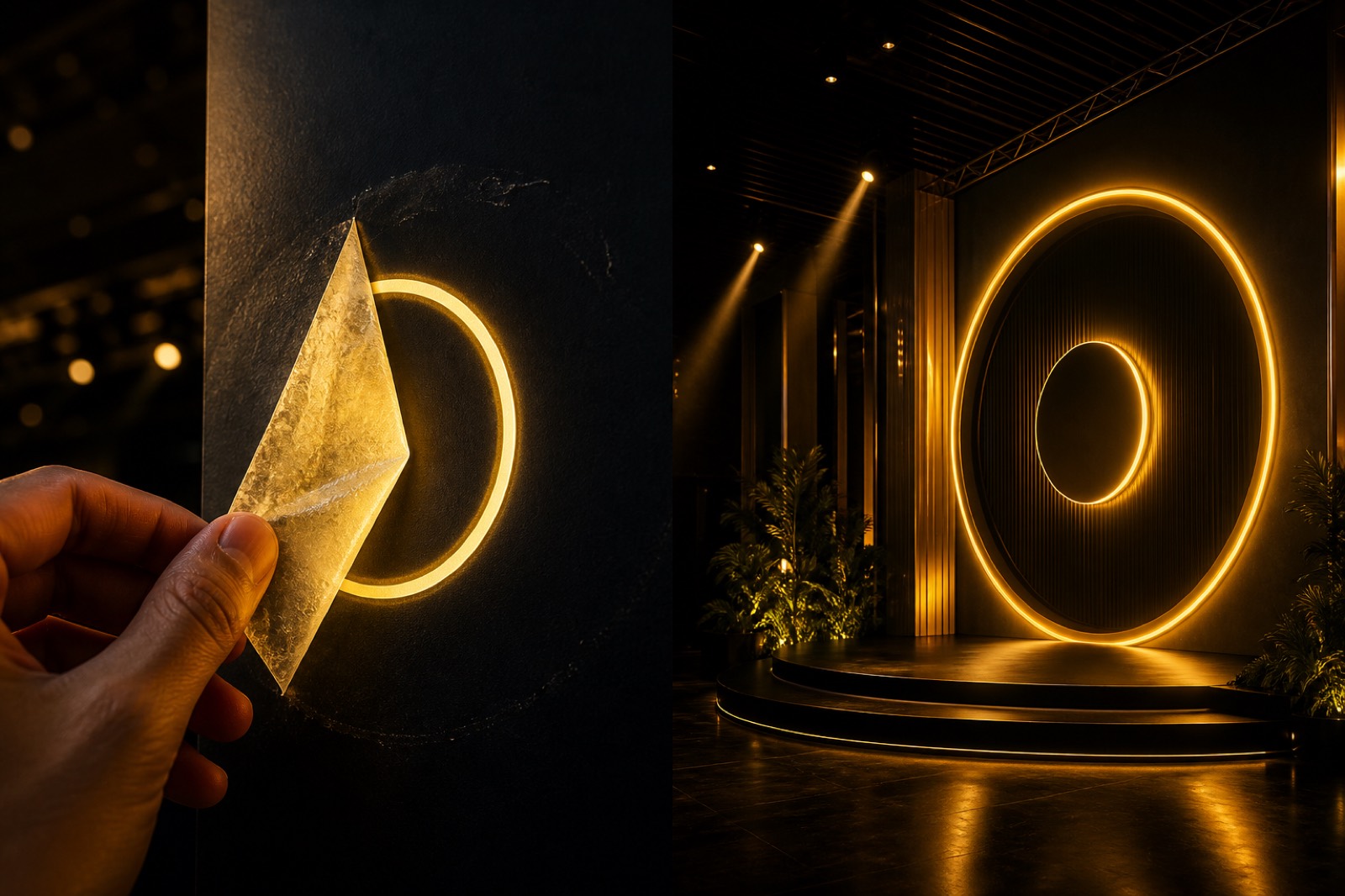
At the consideration stage, regional brands often ask the same question: should we sponsor a creator moment, or build brand IP we actually own? Both can work. They solve different jobs. Sponsorship buys adjacency to culture that already exists. Brand IP builds a talent ecosystem and content format the brand can run again — across seasons, platforms, and cities.
Sponsorship: Speed Into Culture
Sponsorship is the right tool when you need to show up fast next to something the audience already cares about — a creator awards night, a community meetup, a campaign flight with proven talent. You trade budget for association, reach, and short-term salience.
The limit is ownership. When the moment ends, the equity mostly stays with the host property. For brands testing the creator economy in Karnataka or Kannada markets, that can still be a smart first move.
Brand IP: Assets That Compound
Brand IP is a custom talent ecosystem or content format the brand fully owns — from strategy to execution. Think recurring shows, creator series, community properties, or award platforms where the brand is not a guest logo but the architect.
That is the lane The Talentribe builds for regional brands that want category ownership, not just a seasonal appearance. Properties like FanDaMental Creator Awards show what owned IP can look like when culture and production sit under one roof.
Side-by-Side
Sponsorship
Rented association for a defined window
Brand IP
Owned format, talent system, or property
Sponsorship
Campaign or event flight
Brand IP
Multi-season asset that compounds
Sponsorship
Shared with host property
Brand IP
Brand-led from strategy to execution
Sponsorship
Speed, cultural adjacency, testing the category
Brand IP
Category ownership and long-term equity
A Practical Path for Regional Brands
Many brands start with sponsorship to learn the audience, then invest in brand IP once the category thesis is clear. Others jump straight to IP when the brief already demands ownership — a signature series, a community property, or a talent system competitors cannot rent next season.
The Talentribe works both ends: influencer campaigns when you need precision reach, and brand IP when you need something that lasts.
Talk to The Tribe
Brands weighing sponsorship versus brand IP can reach The Talentribe at media@thetalentribe.com.
Frequently Asked Questions
What is the difference between brand IP and sponsorship?
Sponsorship places a brand inside someone else's moment for a fee. Brand IP is an owned format, property, or talent ecosystem the brand controls and can reuse across seasons and platforms.
When should a regional brand choose sponsorship?
Sponsorship works when you need fast visibility around an existing cultural moment — an awards show, meetup, or creator campaign — without building a long-term property yet.
When should a regional brand invest in brand IP?
Brand IP is the better path when you want recurring equity, category ownership in a language or city market, and content formats that compound instead of expiring after one flight.